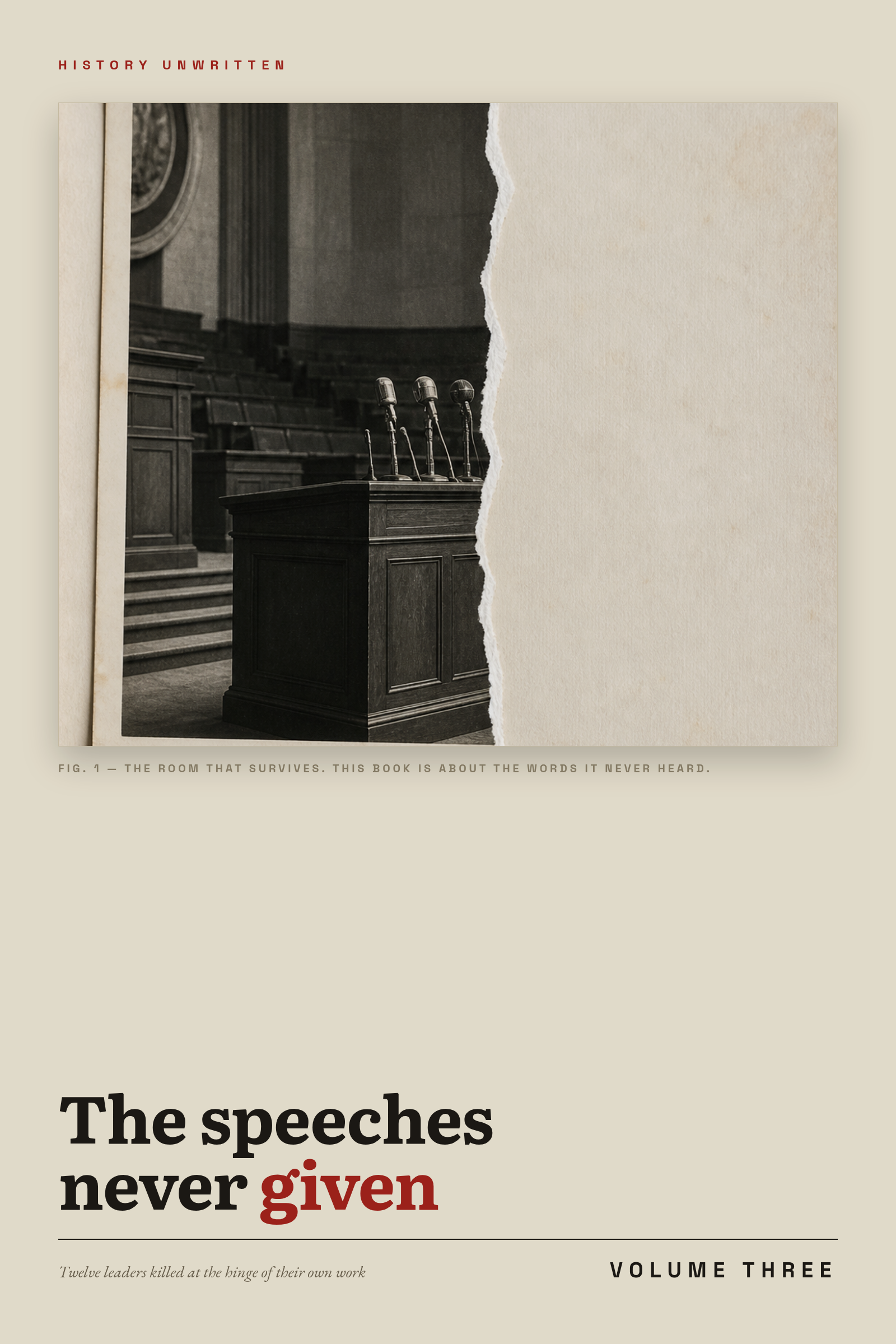
Case files · what the record shows · and where it ends
The companion ebook to the History Unwritten channel
Ten lives the world almost had
A bullet that missed by an inch. A plane that never took off. A doctor who arrived four minutes earlier. Ten people who came within moments of living — and the century that would have followed them.
MethodEvery chapter starts with the documented record — the room, the hour, the medical report — and only then follows the thread history cut. Where the record ends, the book says so.
Total price. No VAT is charged (small-business scheme, § 19 UStG).
Secure payment via Stripe. Download link immediately after purchase.
Length128 pages10 chapters, about 31,000 words
FormatsPDF + EPUBBoth included in one payment
DeliveryInstantDownload link on screen after payment
AccountNoneNo subscription, no login, yours to keep
Exhibit 1
What this book is
Not a collection of fantasies. Every chapter starts with what verifiably happened — the room,
the hour, the medical report, the police file — and only then follows the thread that history
cut. Where the record ends, the book says so.
The real ending first
Each life gets its documented final hours before any speculation begins. You cannot feel the loss of a future you were never shown.
One honest turning point
No magic, no time travel. One plausible change — a different route, a faster ambulance, a cancelled appearance — and everything that follows from it.
The world that arrives instead
Decade by decade: the records never made, the elections never held, the movements that kept their leader. Consequences, not wishes.
Index
The ten lives
Each chapter stands alone. Open a file to see who it is about and which single
change the chapter follows — no ending is given away here.
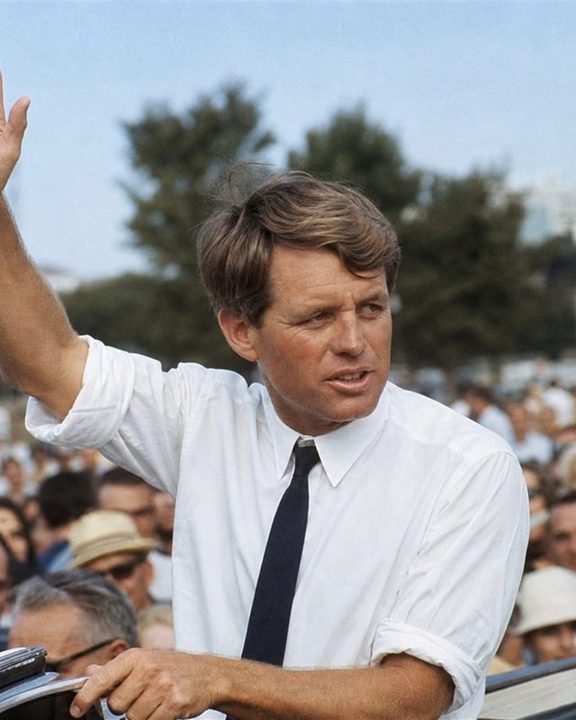
01Robert F. KennedyA hotel kitchen in Los Angeles. The half-second that decided a presidency.1968
Robert F. Kennedy, 1968 · AI-generated illustration
What the record shows
A hotel kitchen in Los Angeles. The half-second that decided a presidency.
The turning point this chapter follows
The shots in the kitchen pantry of the Ambassador Hotel miss him, and he goes on to win the nomination and the presidency.
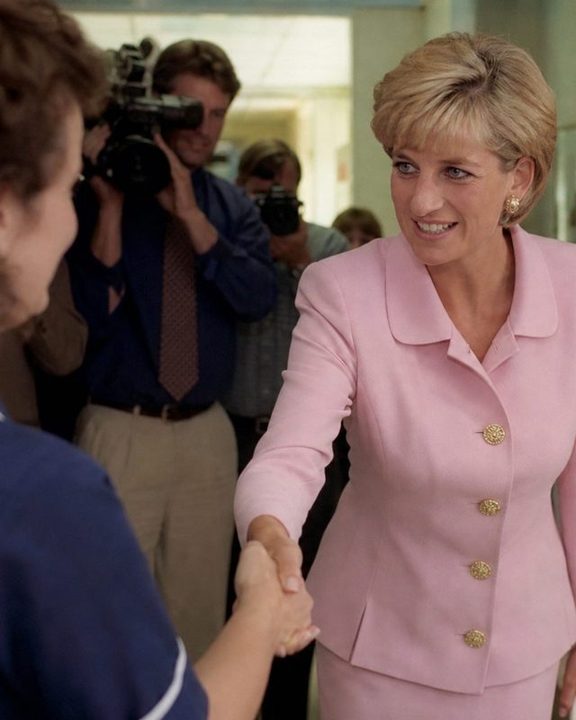
02Diana, Princess of WalesA Paris underpass. A seatbelt, a slower car, a monarchy that had to change.1997
Diana, Princess of Wales, 1997 · AI-generated illustration
What the record shows
A Paris underpass. A seatbelt, a slower car, a monarchy that had to change.
The turning point this chapter follows
The Mercedes leaves the Pont de l'Alma tunnel at a survivable speed, and she lives to define her own second act.
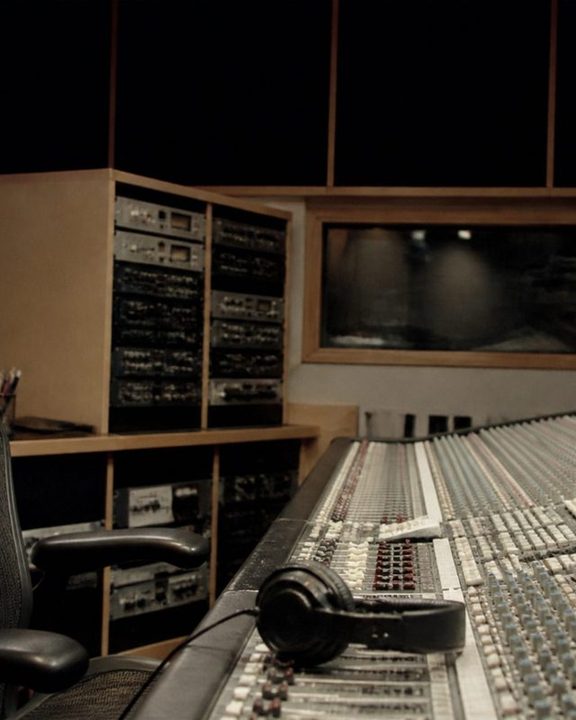
03Tupac ShakurLas Vegas. The record he was writing, and the feud that outlived him.1996
Tupac Shakur, 1996 — the setting, not the person · AI-generated illustration
What the record shows
Las Vegas. The record he was writing, and the feud that outlived him.
The turning point this chapter follows
The white Cadillac never pulls alongside on East Flamingo Road, and the most prolific writer in hip hop keeps working.
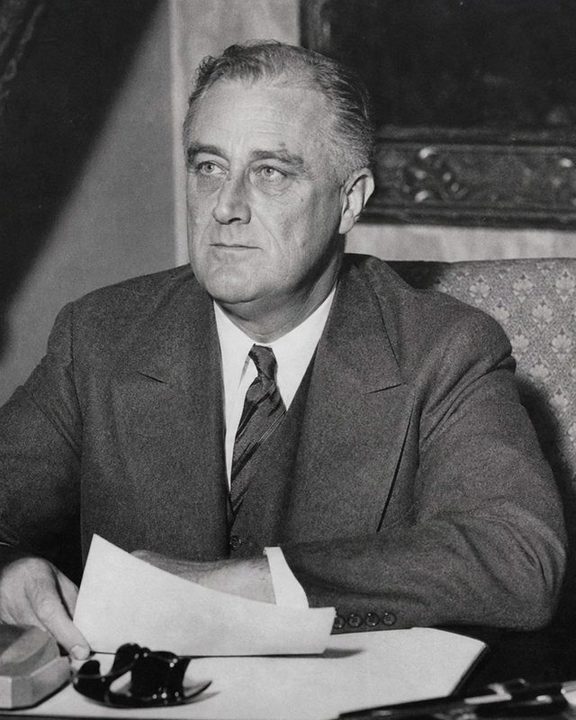
04Franklin D. RooseveltWarm Springs. Twelve weeks from the end of the war, with the bomb still secret.1945
Franklin D. Roosevelt, 1945 · AI-generated illustration
What the record shows
Warm Springs. Twelve weeks from the end of the war, with the bomb still secret.
The turning point this chapter follows
The cerebral haemorrhage at Warm Springs does not come, and the man who built the postwar order lives to run it.
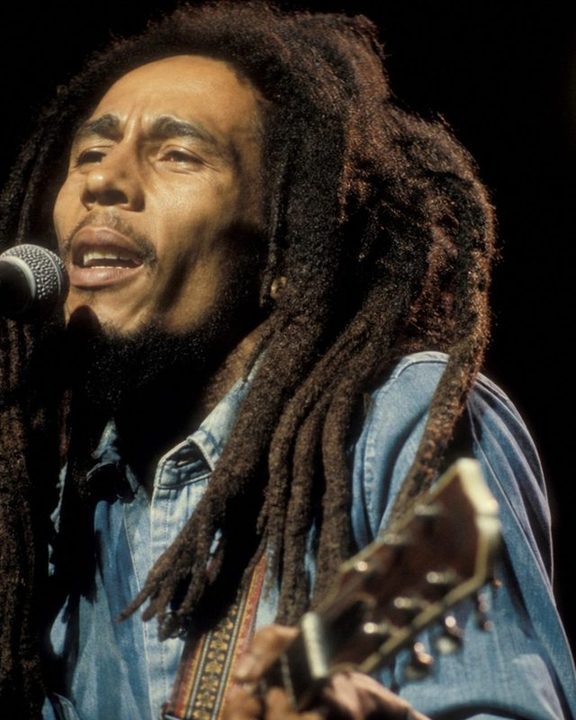
05Bob MarleyA toe, a diagnosis refused, and the music that stopped at thirty-six.1981
Bob Marley, 1981 · AI-generated illustration
What the record shows
A toe, a diagnosis refused, and the music that stopped at thirty-six.
The turning point this chapter follows
The melanoma under his toenail is treated in 1977 when it is found, instead of refused, and he lives into the age his music conquered.
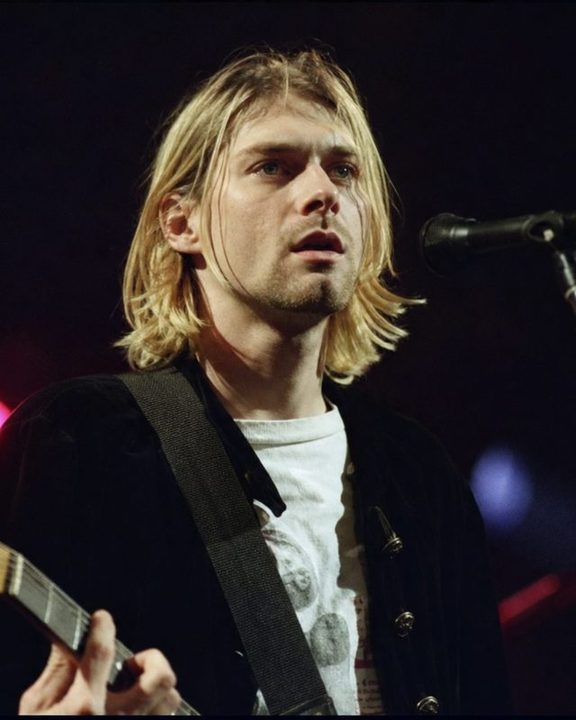
06Kurt CobainSeattle. The band's next record, and a decade of rock that never happened.1994
Kurt Cobain, 1994 · AI-generated illustration
What the record shows
Seattle. The band's next record, and a decade of rock that never happened.
The turning point this chapter follows
The intervention in Seattle holds, and the writer who hated being a rock star has to work out what else to be.
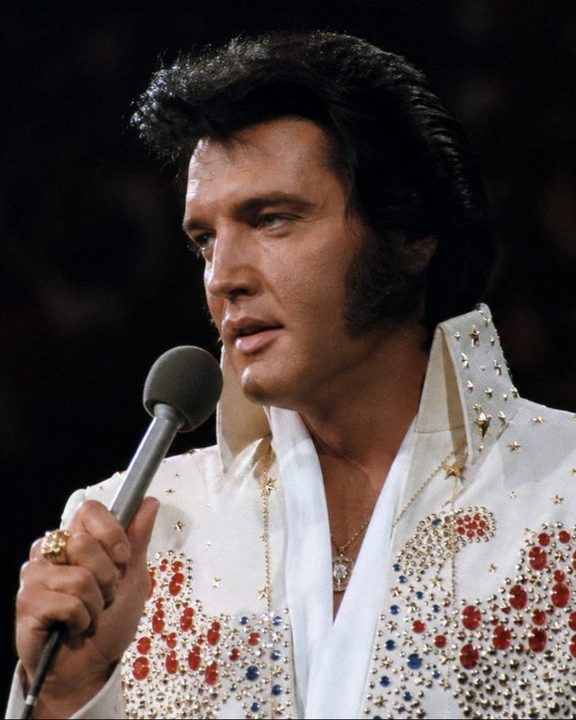
07Elvis PresleyGraceland. The comeback tour on the calendar, and the man behind the jumpsuit.1977
Elvis Presley, 1977 · AI-generated illustration
What the record shows
Graceland. The comeback tour on the calendar, and the man behind the jumpsuit.
The turning point this chapter follows
The heart attack at Graceland is survived, and the tour on the calendar becomes the start of a late career instead of an obituary.
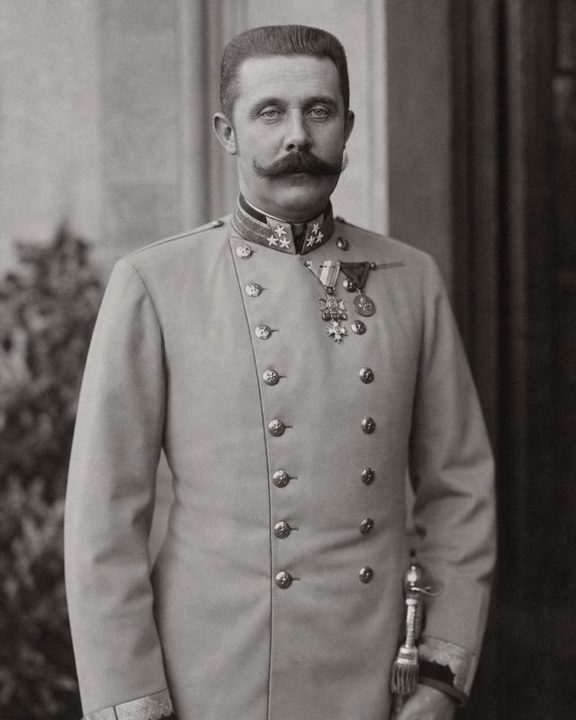
08Archduke Franz FerdinandSarajevo. A wrong turn, and the war that needed no other spark.1914
Archduke Franz Ferdinand, 1914 · AI-generated illustration
What the record shows
Sarajevo. A wrong turn, and the war that needed no other spark.
The turning point this chapter follows
The driver does not take the wrong turn into Franz Joseph Street, and the heir who wanted to reform the empire outlives the plot against him.
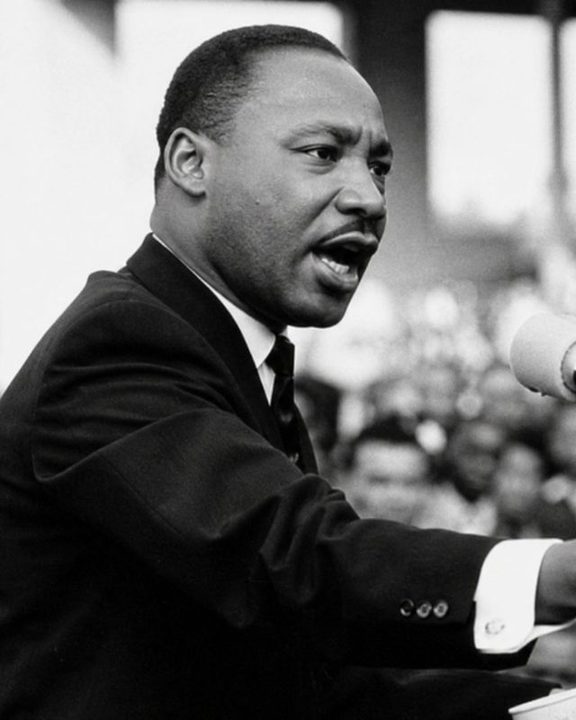
09Martin Luther King Jr.Memphis. The Poor People's Campaign he never got to lead.1968
Martin Luther King Jr., 1968 · AI-generated illustration
What the record shows
Memphis. The Poor People's Campaign he never got to lead.
The turning point this chapter follows
The shot from the boarding house across from the Lorraine Motel misses, and he leads the Poor People's Campaign he had already announced.
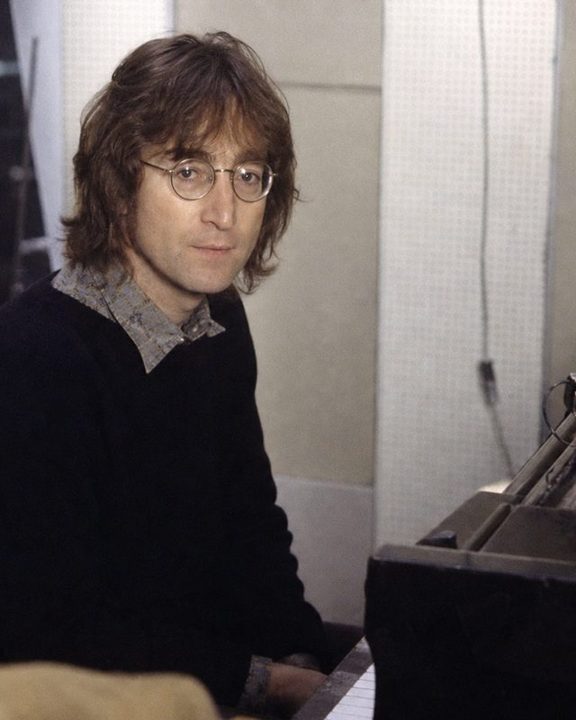
10John LennonNew York. A reunion that was closer than anyone admitted.1980
John Lennon, 1980 · AI-generated illustration
What the record shows
New York. A reunion that was closer than anyone admitted.
The turning point this chapter follows
The man waiting outside the Dakota does not raise the revolver, and the Beatle who had just come back to work keeps working.
— or open them in order
From chapter one · Robert F. Kennedy, 1968
Kennedy fell to the floor. A busboy named Juan Romero, who had shaken his hand moments before, knelt beside him and placed a rosary in his hand; a photograph of that moment, taken by Boris Yaro, became one of the defining images of 1968.
The Half-Second in the Pantry
Read the opening of chapter one here
Robert F. Kennedy, 1968 — The Half-Second in the Pantry
Shortly after midnight on 5 June 1968, Robert Francis Kennedy finished speaking to supporters in the Embassy Room of the Ambassador Hotel, on Wilshire Boulevard in Los Angeles. He had just won the California Democratic primary. The ballroom was full of television lights, campaign staff, volunteers and reporters, and the noise had not yet died down when Kennedy told the crowd, "So my thanks to all of you, and now it's on to Chicago, and let's win there." Those words are on the record, filmed by the networks covering the primary count. He stepped down from the stage and, on the advice of his aides, was routed through the hotel's kitchen and pantry area, a shortcut meant to get him to a press room without pushing back through the crowd.
The pantry was a narrow service corridor lined with ice machines and a steam table. Kennedy shook hands as he walked through it, working the kitchen staff the way he had worked the ballroom. A twenty four year old Palestinian immigrant named Sirhan Bishara Sirhan was standing near a low tray stacker, close enough to reach him. Sirhan fired a .22 revolver at close range. Kennedy was hit three times, once fatally in the head, just behind his right ear. Five other people in the pantry were wounded by the same gunfire: William Weisel, Paul Schrade, Ira Goldstein, Elizabeth Evans and Irwin Stroll. All of them survived.
Kennedy fell to the floor. A busboy named Juan Romero, who had shaken his hand moments before, knelt beside him and placed a rosary in his hand; a photograph of that moment, taken by Boris Yaro, became one of the defining images of 1968. Ethel Kennedy, eight months pregnant with the couple's eleventh child, pushed through the crowd to reach her husband. Kennedy was conscious for a short time. Witnesses recall him asking if the others who had been shot were all right. He was taken first to Central Receiving Hospital, then transferred by ambulance to Good Samaritan Hospital, where neurosurgeons operated through the night to relieve pressure on his brain. The bullet had fragmented and driven bone into the brain tissue. He never regained consciousness. He was pronounced dead at 1:44 a.m. on 6 June, nearly twenty six hours after the shooting.
He was forty two years old. Sirhan Sirhan was arrested at the scene, tried in 1969, convicted of first degree murder, and sentenced to death, later commuted to life imprisonment after California briefly abolished capital punishment. He remains in prison in California; parole boards have periodically recommended his release, and governors have periodically blocked it. That is what happened. Everything that follows in this chapter is what did not.
The chapter runs on for another twenty pages: the hours after, the
people in the room, and then the turning point.
Download the full first chapter as a PDF — or
.
Statements
What readers say
Only verified buyers can leave a review, directly from their download page.
Nothing here is written by us.
Queries
Before you buy
What exactly do I get?
One payment, two files: a PDF for reading anywhere and an EPUB for Kindle, Tolino, Kobo and Apple Books. The download link appears on screen straight after payment and is sent to your e-mail as well. The files are yours; there is no account and nothing expires.
Is this just the YouTube scripts?
No. The chapters are written as text, and they go further than an episode can: the documented record in full, the people around the turning point by name, and the decades that follow it. If you have watched every video, the book is still the longer version.
Are the alternative histories presented as fact?
Never. Each chapter marks exactly where the record ends and the reasoning begins, and it says plainly that nobody — this book included — knows what would really have happened.
Where do the portraits come from?
They are AI-generated illustrations, and every one of them is labelled as such under the image. They show the person at work, in the period the chapter is set in. They are not photographs and are not presented as evidence — the evidence is in the text.
Can I get my money back?
Digital content is delivered immediately, and at checkout you expressly agree to that, which ends the 14-day right of withdrawal (§ 356 (5) BGB). If a file will not open or a download fails, write to us and you get a working file or your money back — that is a service promise, not a legal one.
How is payment handled?
Stripe processes the payment; we never see your card details. Total price, no VAT is charged (small-business scheme, § 19 UStG).
Acquire
Get the ebook
One payment, no subscription, no account. You receive a download link straight after payment.
PDF for reading anywhere, EPUB for Kindle, Tolino and other e-readers. Both formats are
included; 128 pages, 10 chapters, about 31,000 words.
−50%19.989.99 EUR
The price runs on a fixed rhythm: seven days reduced, one day at the regular price, and the clock above shows where in that rhythm you are. No fake scarcity — the same cycle repeats.