Case files · what the record shows · and where it ends
The companion ebook to the History Unwritten channel
Twelve leaders the world almost kept
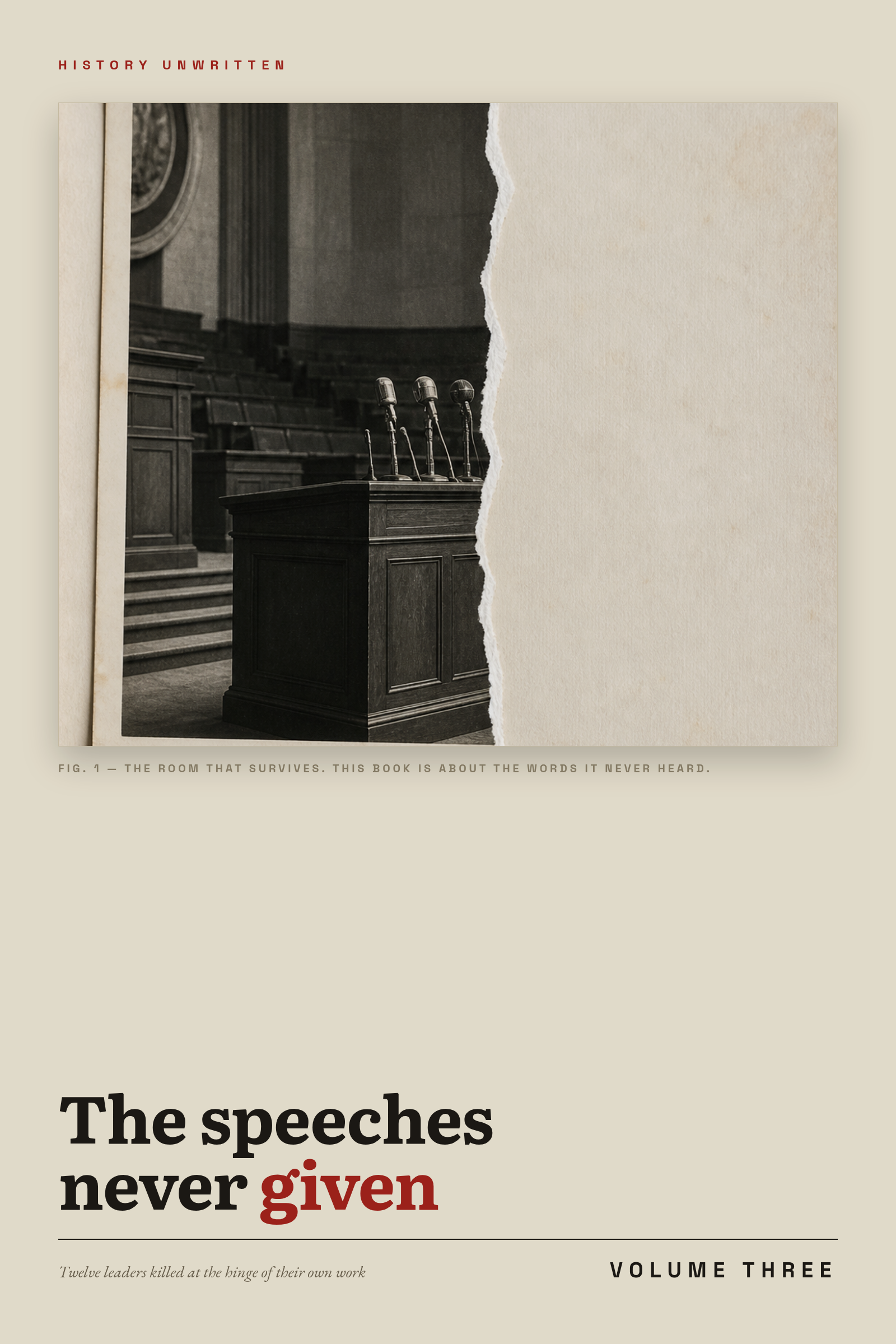
A guard who left his post. A second bomb thrown at a carriage. A wrong turn into a narrow street. Twelve leaders killed at the hinge of their own project, and the countries that had to carry on without them.
MethodEvery chapter starts with the documented record — the room, the hour, the medical report — and only then follows the thread history cut. Where the record ends, the book says so.
Total price. No VAT is charged (small-business scheme, § 19 UStG).
Secure payment via Stripe. Download link immediately after purchase.
Length218 pages12 chapters, about 54,000 words
FormatsPDF + EPUBBoth included in one payment
DeliveryInstantDownload link on screen after payment
AccountNoneNo subscription, no login, yours to keep
Exhibit 1
What this book is
Not a collection of fantasies. Every chapter starts with what verifiably happened — the room,
the hour, the medical report, the police file — and only then follows the thread that history
cut. Where the record ends, the book says so.
The real ending first
Each life gets its documented final hours before any speculation begins. You cannot feel the loss of a future you were never shown.
One honest turning point
No magic, no time travel. One plausible change — a different route, a faster ambulance, a cancelled appearance — and everything that follows from it.
The world that arrives instead
Decade by decade: the records never made, the elections never held, the movements that kept their leader. Consequences, not wishes.
Index
The twelve leaders
Each chapter stands alone. Open a file to see who it is about and which single
change the chapter follows — no ending is given away here.
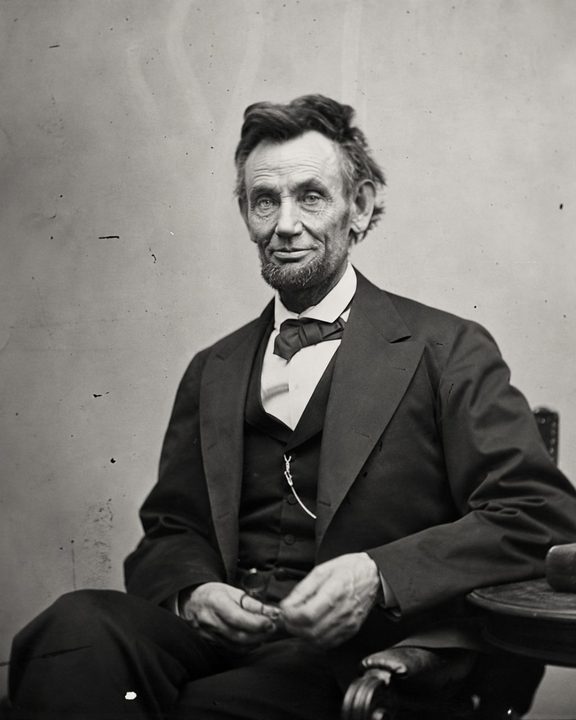
01Abraham LincolnApril 1865, a theatre box in Washington. Five days after the war ended, with the peace still unwritten.1865
Abraham Lincoln, 1865 · AI-generated illustration
What the record shows
April 1865, a theatre box in Washington. Five days after the war ended, with the peace still unwritten.
The turning point this chapter follows
The door to the state box at Ford's Theatre is guarded, and the president who wanted the South back without punishment lives to run Reconstruction himself.
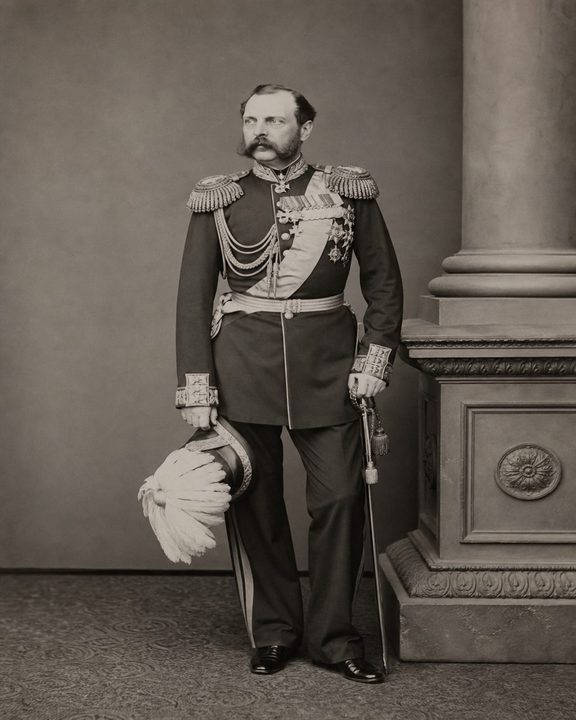
02Alexander II of RussiaMarch 1881, a canal in St Petersburg. He had signed the constitution that morning.1881
Alexander II of Russia, 1881 · AI-generated illustration
What the record shows
March 1881, a canal in St Petersburg. He had signed the constitution that morning.
The turning point this chapter follows
The second bomb on the Catherine Canal misses, and the constitution the Tsar had signed that morning is actually published.
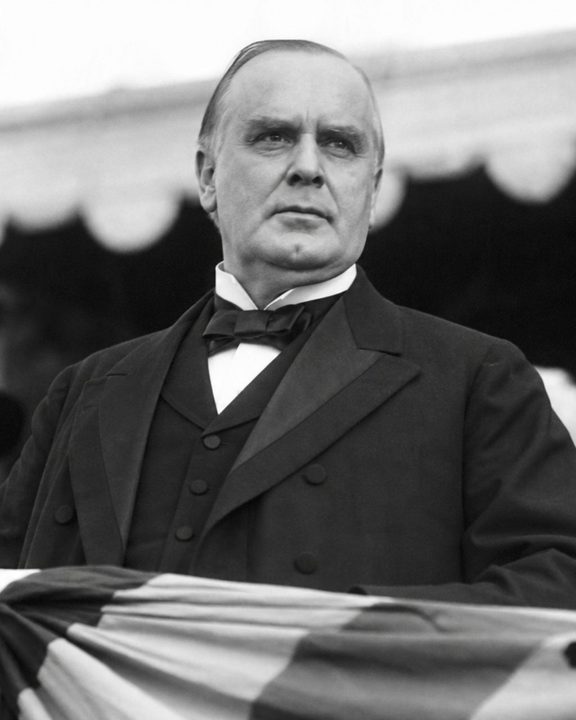
03William McKinleySeptember 1901, a receiving line in Buffalo. The handshake that gave America Theodore Roosevelt.1901
William McKinley, 1901 · AI-generated illustration
What the record shows
September 1901, a receiving line in Buffalo. The handshake that gave America Theodore Roosevelt.
The turning point this chapter follows
The handkerchief in the Buffalo receiving line hides nothing, and the Gilded Age president serves out a term that history gave to Theodore Roosevelt.
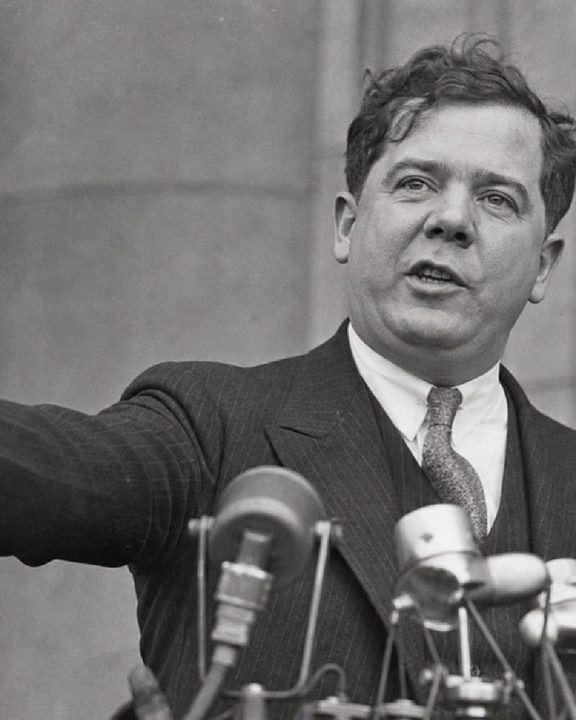
04Huey LongSeptember 1935, a corridor in the Louisiana Capitol. Seven and a half million names on a mailing list.1935
Huey Long, 1935 · AI-generated illustration
What the record shows
September 1935, a corridor in the Louisiana Capitol. Seven and a half million names on a mailing list.
The turning point this chapter follows
The shot in the corridor of the Louisiana State Capitol is never fired, and the man with 7.5 million names on his mailing list runs against Roosevelt in 1936.
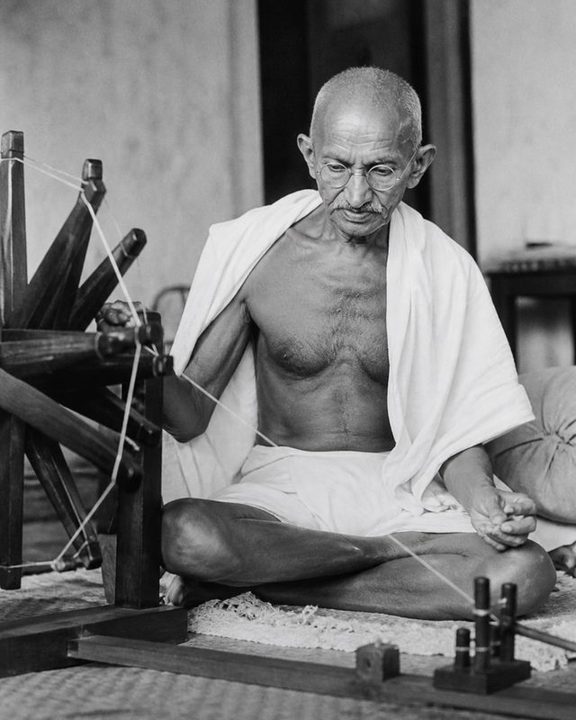
05Mahatma GandhiJanuary 1948, a garden in Delhi. Five months into a partition he had argued against.1948
Mahatma Gandhi, 1948 · AI-generated illustration
What the record shows
January 1948, a garden in Delhi. Five months into a partition he had argued against.
The turning point this chapter follows
The three shots in the garden at Birla House are never fired, and the man who stopped the Calcutta riots by refusing to eat is alive for the first years of two new countries.
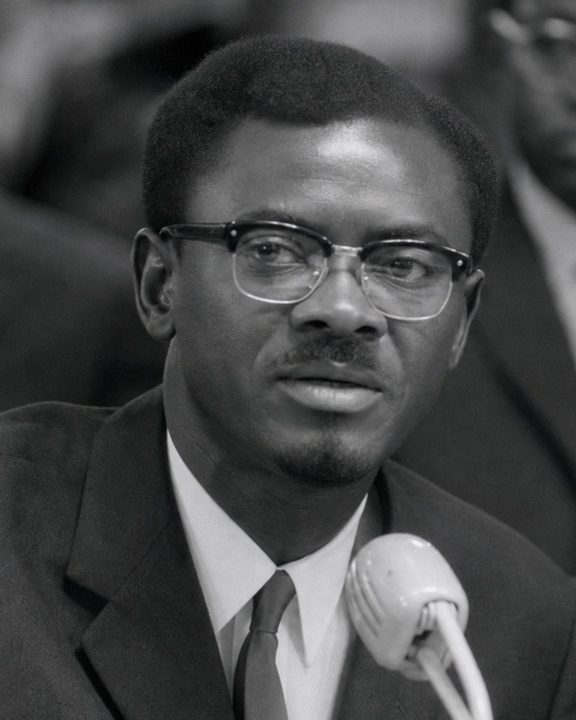
06Patrice LumumbaJanuary 1961, a clearing in Katanga. Seven months after independence, thirty-two years before democracy.1961
Patrice Lumumba, 1961 · AI-generated illustration
What the record shows
January 1961, a clearing in Katanga. Seven months after independence, thirty-two years before democracy.
The turning point this chapter follows
The plane to Elisabethville never takes off, and the first prime minister of the Congo is alive to govern the country he had been elected to lead.
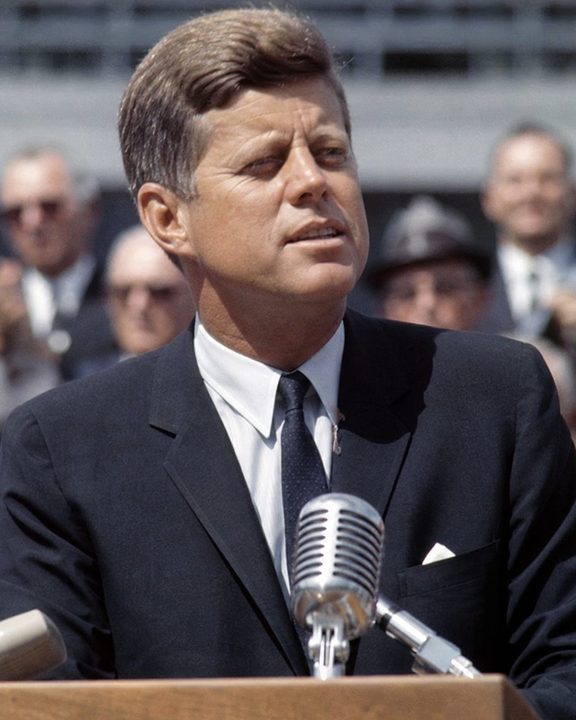
07John F. KennedyNovember 1963, Elm Street, Dallas. A thousand advisers were already ordered home from Vietnam.1963
John F. Kennedy, 1963 · AI-generated illustration
What the record shows
November 1963, Elm Street, Dallas. A thousand advisers were already ordered home from Vietnam.
The turning point this chapter follows
The motorcade on Elm Street passes the Depository without a shot, and the president who had just ordered a thousand men home from Vietnam is the one who decides what happens next.
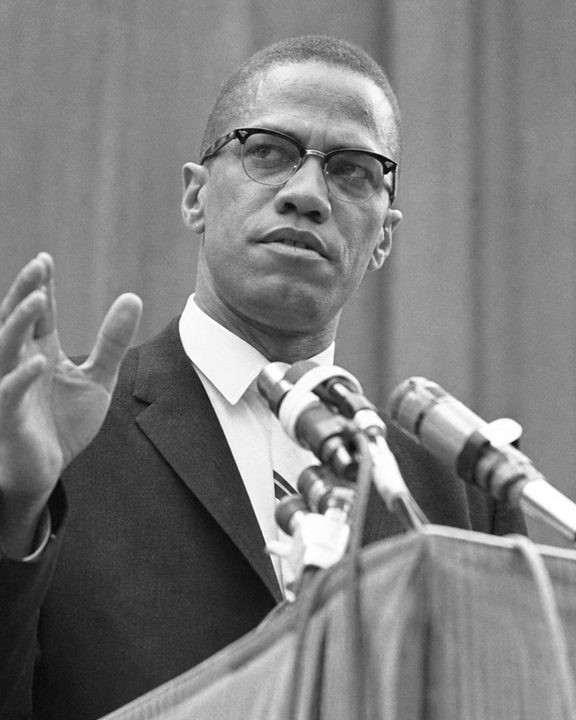
08Malcolm XFebruary 1965, a ballroom in Harlem. Eleven months after Mecca changed his mind.1965
Malcolm X, 1965 · AI-generated illustration
What the record shows
February 1965, a ballroom in Harlem. Eleven months after Mecca changed his mind.
The turning point this chapter follows
The shotgun in the Audubon Ballroom never comes out from under the coat, and the man who had just come back from Mecca gets the years he needed to finish changing his mind.
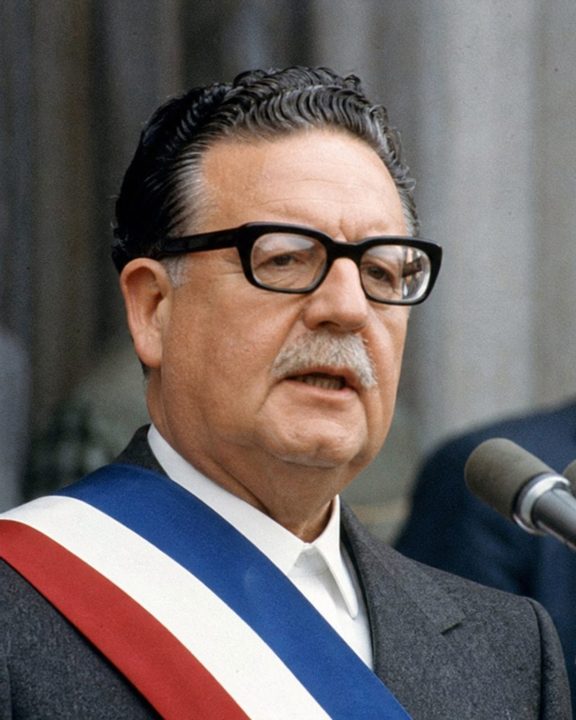
09Salvador AllendeSeptember 1973, the presidential palace in Santiago. Jets overhead, and seventeen years to follow.1973
Salvador Allende, 1973 · AI-generated illustration
What the record shows
September 1973, the presidential palace in Santiago. Jets overhead, and seventeen years to follow.
The turning point this chapter follows
The bombs from the Hawker Hunters never reach La Moneda, and the first Marxist elected president in Latin America finishes the term he was voted into.
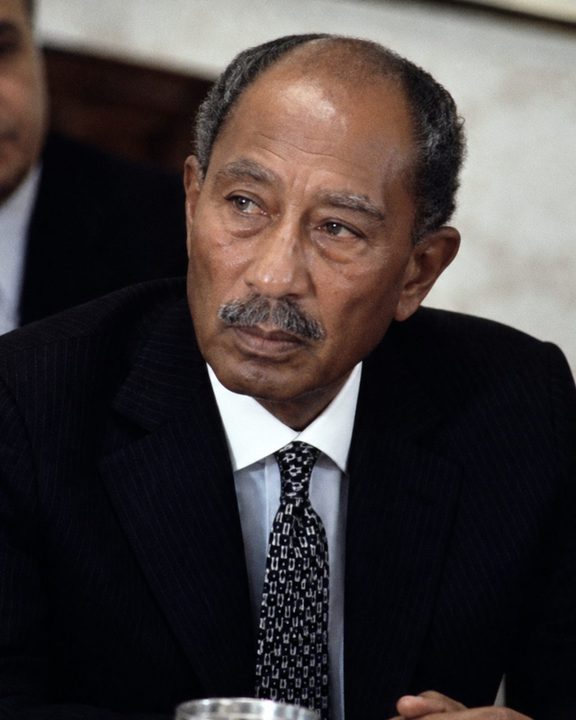
10Anwar SadatOctober 1981, a parade ground in Cairo. Three years after he made peace and lost the Arab world.1981
Anwar Sadat, 1981 · AI-generated illustration
What the record shows
October 1981, a parade ground in Cairo. Three years after he made peace and lost the Arab world.
The turning point this chapter follows
The truck in the victory parade drives past the reviewing stand, and the man who made peace with Israel is there to see what it was worth.
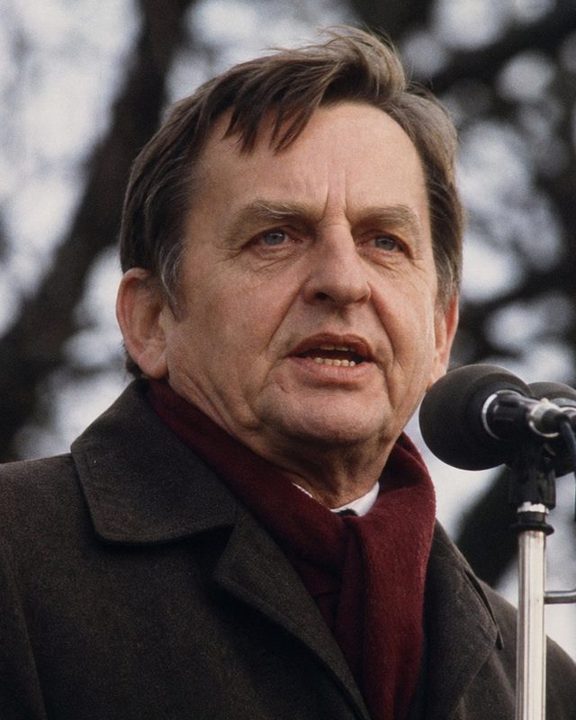
11Olof PalmeFebruary 1986, a street in Stockholm. A prime minister walking home without bodyguards.1986
Olof Palme, 1986 · AI-generated illustration
What the record shows
February 1986, a street in Stockholm. A prime minister walking home without bodyguards.
The turning point this chapter follows
The man on Sveavägen walks past, and a prime minister who went home from the cinema without bodyguards keeps doing it.
12Yitzhak RabinNovember 1995, a peace rally in Tel Aviv. Six weeks after Oslo, killed by his own side.1995
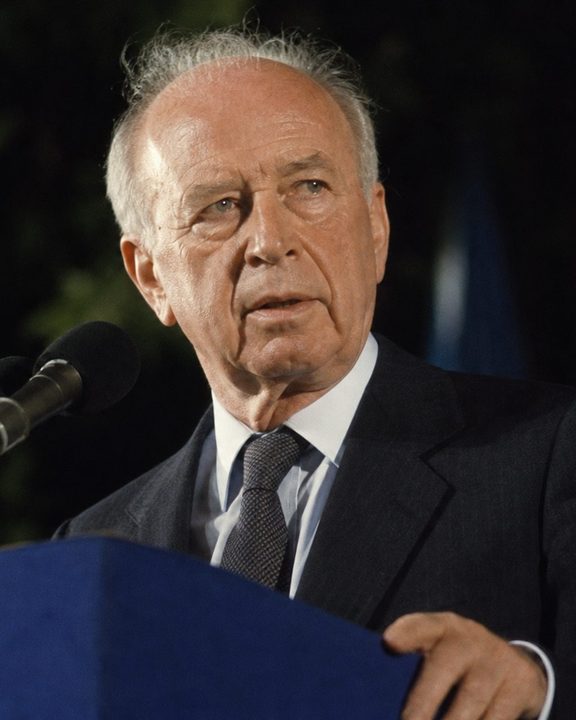
Yitzhak Rabin, 1995 · AI-generated illustration
What the record shows
November 1995, a peace rally in Tel Aviv. Six weeks after Oslo, killed by his own side.
The turning point this chapter follows
The three shots at the end of the peace rally in Tel Aviv are never fired, and the general who signed Oslo is the one who has to make it work.
— or open them in order
From chapter one · Abraham Lincoln, 1865
On the night of 14 April 1865, a Good Friday, Abraham Lincoln sat in the state box at Ford's Theatre in Washington, watching a comedy called <i>Our American Cousin</i>.
The Chair Outside the Box
Read the opening of chapter one here
Abraham Lincoln, 1865 — The Chair Outside the Box
On the night of 14 April 1865, a Good Friday, Abraham Lincoln sat in the state box at Ford's Theatre in Washington, watching a comedy called Our American Cousin. Beside him were his wife, Mary, and a young engaged couple, Major Henry Rathbone and Clara Harris, who had joined the party after several other invited guests, including General and Mrs. Grant, had declined. It was five days since General Robert E. Lee had surrendered the Army of Northern Virginia to Ulysses S. Grant at Appomattox Court House. Washington had spent those five days lit up with bonfires and illuminated windows, bands playing in the streets, crowds gathering outside the White House to call for the president until he came to a window and spoke to them. The war that had killed some three quarters of a million Americans was, in every practical sense, over. Lincoln had told his cabinet that morning, at the last meeting he would ever hold, that he took a recent dream of his, one he associated with news of great events, as a sign that word would soon come from Sherman's army in North Carolina. He seemed, to several people who saw him that day, more at ease than he had been in years.
The president's guard that evening was a Washington Metropolitan Police officer named John Frederick Parker. His post was a chair in the narrow passage outside the door to the state box. At some point during the performance he left it. Where he went afterward is not settled by the surviving record. The most repeated account has him drifting next door to the Star Saloon for a drink, or angling for a better view of the stage himself from the dress circle. What is not in dispute is that the chair was empty, and that the passage to the box stood unguarded, when John Wilkes Booth walked up the stairs of the theater a little after ten o'clock, a place he knew well since he had performed there and received his mail there, and where the staff recognized him and let him pass without a thought.
Booth had spent part of that afternoon at Ford's, boring a small hole in the door of the box, apparently to be able to see inside before entering, and preparing a length of wood, cut from a music stand backstage, that he would use to jam the outer door shut behind him from the inside once he passed through. He knew the play well enough to wait for a line, delivered by the actor Harry Hawk alone on stage, that reliably drew the loudest laugh of the evening, so that the sound of his single shot would be swallowed by the audience. He fired a single shot from a .44 caliber derringer into the back of Lincoln's head at a range of a few feet. Rathbone lunged at him and was cut badly along the arm with a knife Booth carried for exactly this contingency; Booth then vaulted the rail of the box to the stage, a drop of some eleven or twelve feet, breaking a bone in his left leg on landing, and according to several people in the audience that night shouted a Latin phrase, "Sic semper tyrannis," a state motto of Virginia meaning thus always to tyrants, before he limped off through the wings, past a stagehand he shoved aside, and out to a horse held ready for him in the alley behind the theater.
The chapter runs on for another twenty pages: the hours after, the
people in the room, and then the turning point.
Download the full first chapter as a PDF — or
.
Statements
What readers say
Only verified buyers can leave a review, directly from their download page.
Nothing here is written by us.
Queries
Before you buy
What exactly do I get?
One payment, two files: a PDF for reading anywhere and an EPUB for Kindle, Tolino, Kobo and Apple Books. The download link appears on screen straight after payment and is sent to your e-mail as well. The files are yours; there is no account and nothing expires.
Is this just the YouTube scripts?
No. The chapters are written as text, and they go further than an episode can: the documented record in full, the people around the turning point by name, and the decades that follow it. If you have watched every video, the book is still the longer version.
Are the alternative histories presented as fact?
Never. Each chapter marks exactly where the record ends and the reasoning begins, and it says plainly that nobody — this book included — knows what would really have happened.
Where do the portraits come from?
They are AI-generated illustrations, and every one of them is labelled as such under the image. They show the person at work, in the period the chapter is set in. They are not photographs and are not presented as evidence — the evidence is in the text.
Can I get my money back?
Digital content is delivered immediately, and at checkout you expressly agree to that, which ends the 14-day right of withdrawal (§ 356 (5) BGB). If a file will not open or a download fails, write to us and you get a working file or your money back — that is a service promise, not a legal one.
How is payment handled?
Stripe processes the payment; we never see your card details. Total price, no VAT is charged (small-business scheme, § 19 UStG).
Acquire
Get the ebook
One payment, no subscription, no account. You receive a download link straight after payment.
PDF for reading anywhere, EPUB for Kindle, Tolino and other e-readers. Both formats are
included; 218 pages, 12 chapters, about 54,000 words.
−50%19.989.99 EUR
The price runs on a fixed rhythm: seven days reduced, one day at the regular price, and the clock above shows where in that rhythm you are. No fake scarcity — the same cycle repeats.